
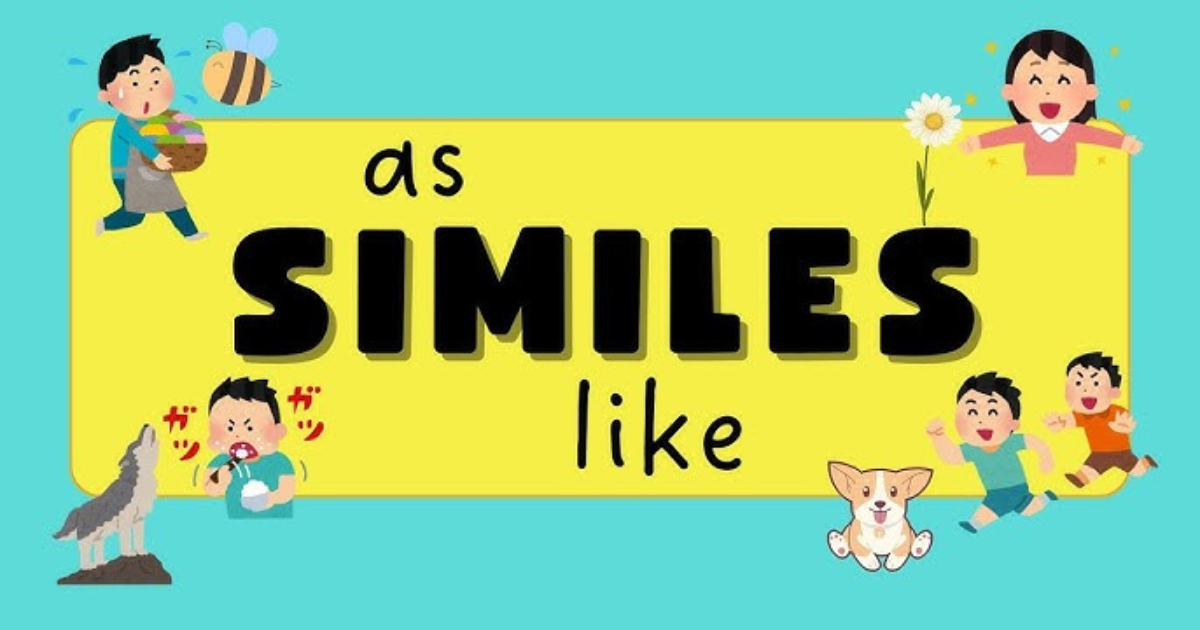

A simile is one of the most common and effective figures of speech in the English language. Writers use similes to make their ideas clearer, more vivid, and more engaging for readers. Whether you’re writing a blog post, a poem, a story, or even social media captions, similes can instantly bring your words to life.
Let’s explore what a simile is, how it works, and some practical examples you can use in your own writing.
Definition of a Simile
A simile is a figure of speech that compares two different things using the words “like” or “as.” The purpose of a simile is to highlight a similarity between the two things in a creative and descriptive way.
For example:
- Her smile was as bright as the sun.
- He runs like the wind.
In these examples, the comparison helps the reader imagine the quality being described—brightness or speed—more clearly.
Why Are Similes Important?
Similes play a powerful role in writing for several reasons:
- They make descriptions vivid
Similes help readers visualize what you’re describing by connecting it to something familiar. - They add creativity and style
Instead of plain statements, similes make your writing more expressive and interesting. - They improve emotional connection
A well-placed simile can make readers feel emotions more strongly. - They simplify complex ideas
Comparing an abstract idea to a real-world object makes it easier to understand.
For bloggers, similes are especially useful because they keep readers engaged and make content more relatable.
Common Simile Examples
Here are some classic similes that are widely used and easily understood:
- As busy as a bee
- As cold as ice
- As light as a feather
- As brave as a lion
- Sleep like a baby
These expressions are popular because they communicate meaning quickly and clearly.
Simile Examples for Blog Writing
If you’re writing blogs, you’ll want similes that feel natural and modern. Here are some examples you can adapt:
- The website loaded like a snail crawling uphill.
- Her ideas spread like wildfire on social media.
- The meeting dragged on like a never-ending road trip.
- His explanation was as clear as crystal.
- The deadline hit like a punch to the stomach.
These similes help readers relate your content to everyday experiences.
Simile vs. Metaphor
Similes are often confused with metaphors, but they are not the same.
- A simile uses like or as:
Life is like a journey. - A metaphor states the comparison directly:
Life is a journey.
Both are effective, but similes tend to feel softer and more conversational, making them ideal for blog writing.
Tips for Using Similes Effectively
To make the most of similes in your blogs, keep these tips in mind:
- Don’t overuse them – too many similes can overwhelm readers.
- Be original – fresh comparisons stand out more than clichés.
- Match the tone – playful similes suit casual blogs, while subtle ones work better for professional topics.
- Keep them clear – if readers have to think too hard, the simile loses impact.
Final Thoughts
A simile is a simple yet powerful literary tool that compares two unlike things using “like” or “as.” By adding similes to your blog posts, you can make your writing more engaging, descriptive, and memorable. Whether you’re explaining a concept, telling a story, or persuading readers, similes help paint pictures with words—and that’s what great writing is all about.
