
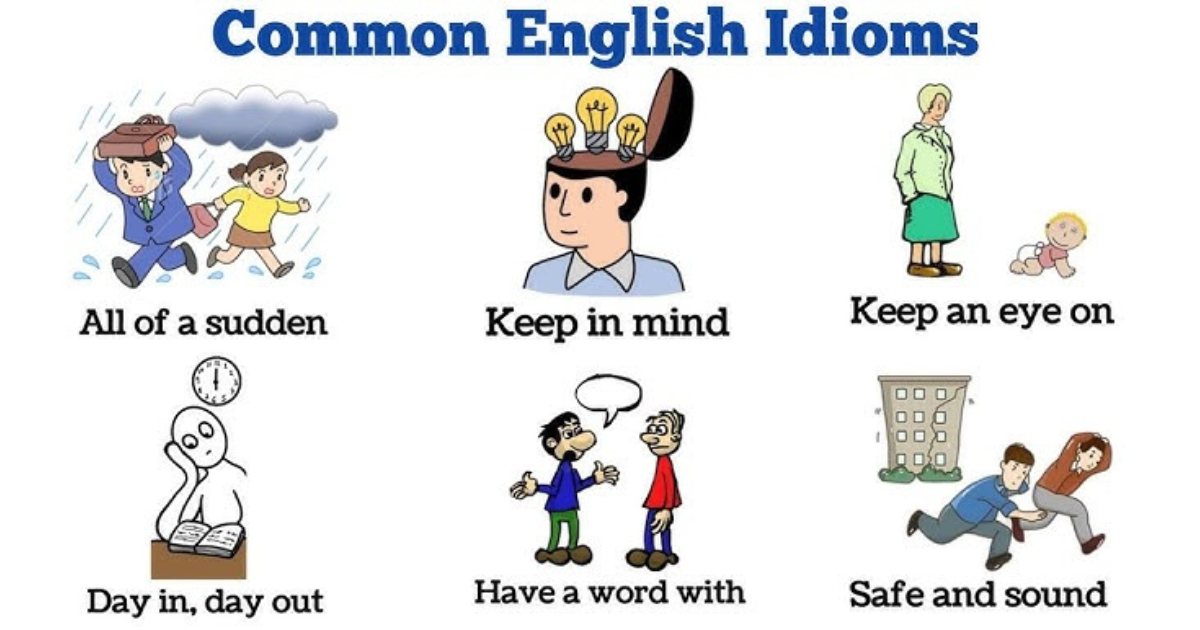

Idioms are an essential part of everyday English. They add color, personality, and emotion to writing, making your blogs more engaging and relatable. Since idioms often carry meanings beyond their literal words, they help you express ideas in a vivid and memorable way. Below are common daily-use idioms you can easily include in your blog posts, along with explanations and examples.
1. Break the Ice
Meaning: To start a conversation or ease tension in a social situation.
Example: “A simple joke can break the ice during an awkward meeting.”
You can use this idiom in blogs about communication, networking, or leadership.
2. Hit the Nail on the Head
Meaning: To describe something exactly right.
Example: “Her feedback hit the nail on the head—it was exactly what the team needed to hear.”
This works well in opinion pieces or analysis posts.
3. A Blessing in Disguise
Meaning: Something that seems bad at first but turns out to be good.
Example: “Losing that job was a blessing in disguise because it pushed me to start my own business.”
Perfect for motivational or personal growth blogs.
4. Piece of Cake
Meaning: Something very easy to do.
Example: “With the right tools, setting up your website is a piece of cake.”
Great for tutorials or how-to guides.
5. Once in a Blue Moon
Meaning: Something that happens very rarely.
Example: “Opportunities like this come once in a blue moon.”
Useful in lifestyle or storytelling blogs.
6. Spill the Beans
Meaning: To reveal a secret.
Example: “She accidentally spilled the beans about the surprise party.”
You can use this idiom in casual, conversational blog posts.
7. The Ball Is in Your Court
Meaning: It’s your turn to take action or make a decision.
Example: “I’ve shared the strategy—now the ball is in your court.”
Effective in business, leadership, or self-improvement blogs.
8. Under the Weather
Meaning: Feeling sick or unwell.
Example: “I’m feeling a bit under the weather today, so I’ll keep this short.”
Helpful for adding a personal tone to your writing.
9. Burn the Midnight Oil
Meaning: To work late into the night.
Example: “Entrepreneurs often burn the midnight oil to turn their ideas into reality.”
Great for productivity or success-related topics.
10. Cut Corners
Meaning: To do something poorly or cheaply to save time or money.
Example: “If you cut corners on quality, your customers will notice.”
Useful in business and professional advice blogs.
11. On the Same Page
Meaning: To agree or share the same understanding.
Example: “Let’s make sure we’re on the same page before launching the campaign.”
Ideal for teamwork and collaboration themes.
12. Actions Speak Louder Than Words
Meaning: What you do is more important than what you say.
Example: “In leadership, actions speak louder than words.”
A powerful line for inspirational content.
13. Back to Square One
Meaning: Starting over from the beginning.
Example: “When the plan failed, we were back to square one.”
Useful in stories about challenges and resilience.
14. Bite Off More Than You Can Chew
Meaning: To take on more responsibility than you can handle.
Example: “Don’t bite off more than you can chew when planning your goals.”
Great advice for productivity blogs.
15. In the Long Run
Meaning: Over a long period of time.
Example: “Healthy habits may seem difficult now, but they pay off in the long run.”
Perfect for health, finance, or self-development topics.
Conclusion
Using daily idioms in your blogs makes your writing sound natural and conversational. They help simplify complex ideas, create emotional connections, and keep readers engaged. However, it’s important to use idioms appropriately and consider your audience, especially if they are non-native English speakers. When used thoughtfully, idioms can transform an ordinary blog post into a lively and memorable read.
