
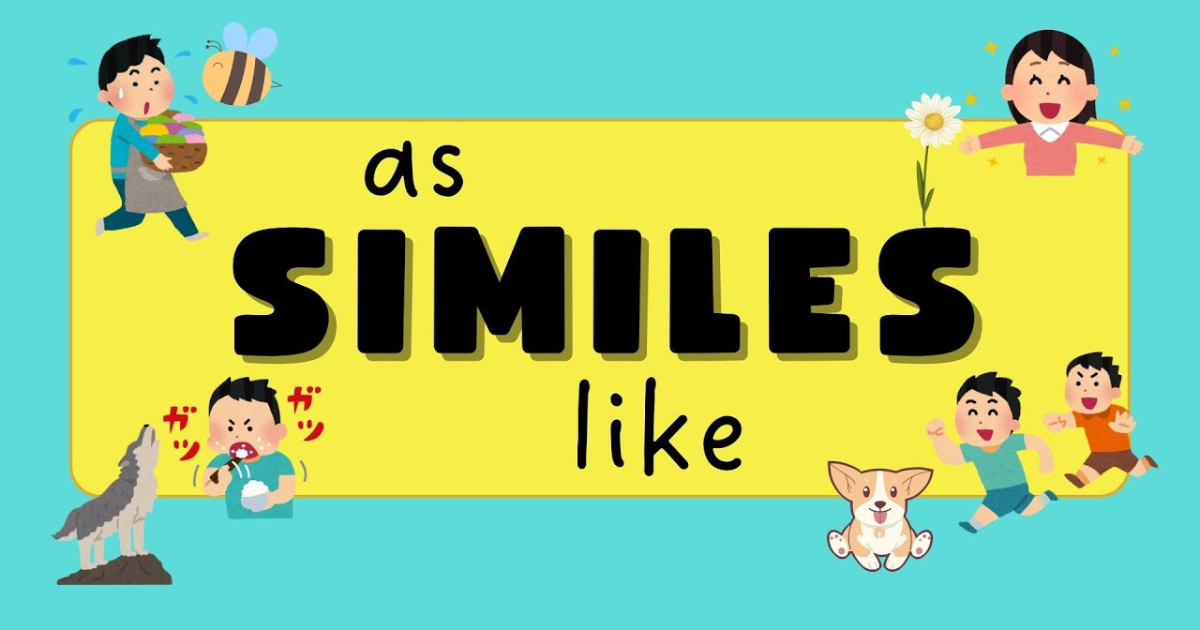

Language constantly evolves, and modern English is full of creative expressions that make communication more vivid and engaging. One of the most popular literary devices used in everyday conversation and writing is the simile. Similes compare two different things using words such as “like” or “as,” helping readers and listeners visualize ideas more clearly. In recent years, modern culture, technology, and social media have influenced the development of new and trending similes. These expressions are widely used in blogs, storytelling, marketing, and casual communication.
What Is a Simile?
A simile is a figure of speech that compares two different things using connecting words such as like or as. It helps create a clear image in the reader’s mind by relating an unfamiliar concept to something more familiar.
For example:
- “Her smile was as bright as the sun.”
- “He ran like the wind.”
Similes are often used in literature, poetry, and everyday speech to make descriptions more colorful and memorable.
Why Similes Are Popular in Modern Writing
Modern writing, especially in blogs and digital content, aims to capture readers’ attention quickly. Similes make writing more engaging by adding creativity and emotion to simple sentences. Instead of saying something is “very fast,” a writer might say it is “as fast as lightning.” This type of comparison makes the message more powerful and interesting.
In the age of social media and digital storytelling, similes also help writers create relatable content that readers can easily understand and share.
Trending Similes in Everyday English
Many modern similes have become popular through online culture, movies, and daily conversation. Here are some trending examples that bloggers and writers frequently use:
- As busy as a bee – used to describe someone who is very active or hardworking.
- As cool as ice – used to describe someone calm and confident in difficult situations.
- Like a kid in a candy store – used when someone is extremely excited about many choices.
- As sharp as a knife – used to describe someone very intelligent or quick-thinking.
- Like lightning – used to describe something extremely fast.
These similes are simple yet effective, making them popular in both spoken and written English.
Technology-Inspired Modern Similes
As technology becomes a bigger part of everyday life, many modern similes are inspired by digital culture. Writers often compare speed, connectivity, or intelligence to modern technology.
Examples include:
- As fast as Wi-Fi – used to describe something happening instantly.
- Like a smartphone without battery – used to describe someone who suddenly loses energy or motivation.
- As connected as social media – used to describe strong networks or relationships.
- Like a search engine – used to describe someone who always has the right information.
These modern comparisons reflect how technology influences language and communication today.
Similes in Blogging and Content Writing
Similes are especially useful for bloggers because they make articles more engaging and relatable. When used correctly, they help simplify complex ideas and make writing more conversational.
For example, a travel blogger might say:
- “The beach water was as clear as crystal.”
A technology blogger might write:
- “The new processor works like a rocket compared to older models.”
These comparisons help readers visualize experiences and understand descriptions more easily.
Tips for Using Similes Effectively
While similes can improve writing, they should be used carefully to avoid overuse. Here are a few tips for bloggers and writers:
- Keep them simple: Choose comparisons that readers can easily understand.
- Avoid clichés: While common similes are useful, try to add a fresh twist when possible.
- Match the tone: Make sure the simile fits the topic and style of your writing.
- Use them sparingly: Too many similes can make writing feel exaggerated or confusing.
By following these tips, writers can use similes to enhance their content without overwhelming readers.
Conclusion
Similes remain an important part of modern English because they make communication more vivid and expressive. From traditional comparisons like “as busy as a bee” to technology-inspired expressions such as “as fast as Wi-Fi,” similes continue to evolve with language and culture. For bloggers and content creators, using creative similes can make writing more engaging, memorable, and relatable.
As language continues to adapt to new trends and technologies, modern similes will keep expanding, offering writers endless ways to add creativity and personality to their work.
